
Imagine a bus that drives itself, no steering wheel in sight, and delivers a smooth, futuristic ride—this is the reality of China’s driverless bus experience. Let’s dive into what it’s really like to step aboard these technological marvels and ride into the next era of public transit.

First Impressions: A Bus Unlike Any Other
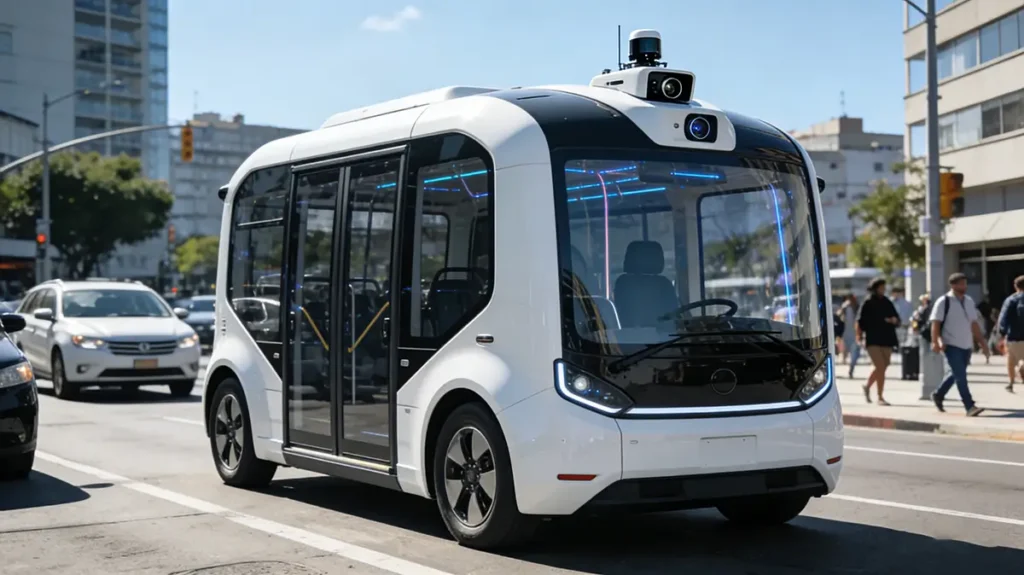
Spotting a driverless bus on China’s streets is an immediate double-take moment. These compact, streamlined vehicles boast a sleek, modern exterior, but the real surprise awaits inside: no driver’s seat, no steering wheel, just roomy seating and a digital display hanging overhead.
I caught one at a bus stop in Beijing, and it approached silently, gliding to a perfect stop before the doors slid open automatically—no human hand in sight. Stepping inside, I was struck by the unexpected spaciousness; the plush seats, a small fold-out table (ideal for a quick coffee or casual chat), and USB chargers built into every row made it feel less like a standard city bus and more like a cozy, tech-forward lounge on wheels.

The Ride: Smooth, Smart, and Unwaveringly Safe
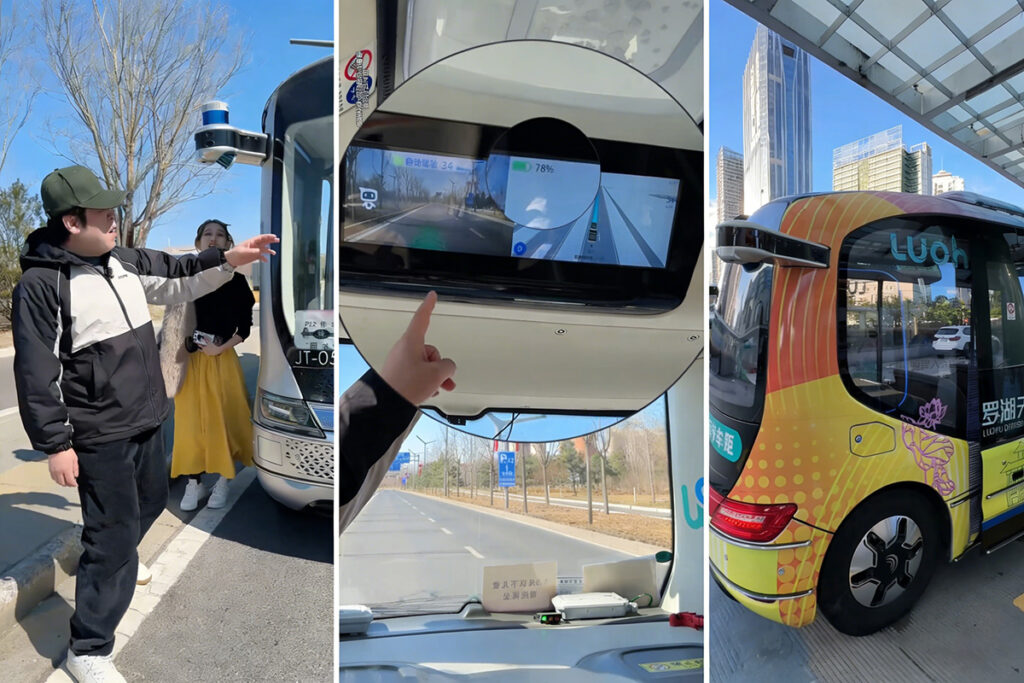
I settled in and buckled up—safety first, even in a driverless ride—and the bus pulled away with a gentle hum. My eyes immediately went to the overhead digital screen, split into two clear displays: one showing a live feed of the road ahead, the other a real-time navigation map with our route marked in bright blue. A tiny battery indicator glowed in the corner, reading 78% full—plenty of power for its next rounds of stops.
The bus cruised at a steady 36 km/h, handling every turn, traffic light, and road curve flawlessly. It braked smoothly for red lights, accelerated gently when the signal turned green, and even navigated a U-turn with precision—all while politely yielding to passing cars and cyclists, like a seasoned driver with impeccable road manners. At no point did I feel uneasy; the ride was calmer and more consistent than most regular bus trips I’ve taken.
The Tech Powering the Magic
So how do these buses navigate the roads without a driver? They’re packed with state-of-the-art sensors, radars, and 360-degree cameras—the bus’s “eyes and brain”—that scan the road ahead and surrounding area nonstop, detecting obstacles, pedestrians, and other vehicles with pinpoint accuracy. Every move is calculated in milliseconds to follow traffic rules and avoid hazards, making human error a non-issue.
The driver’s area is replaced with smart, user-centric features: the overhead display keeps passengers updated on the next stop, route changes, and road conditions, and an emergency call button is within easy reach of every seat (though I never had to use it—this tech runs like a well-oiled machine).
And It’s Free! (For Now, At Least)
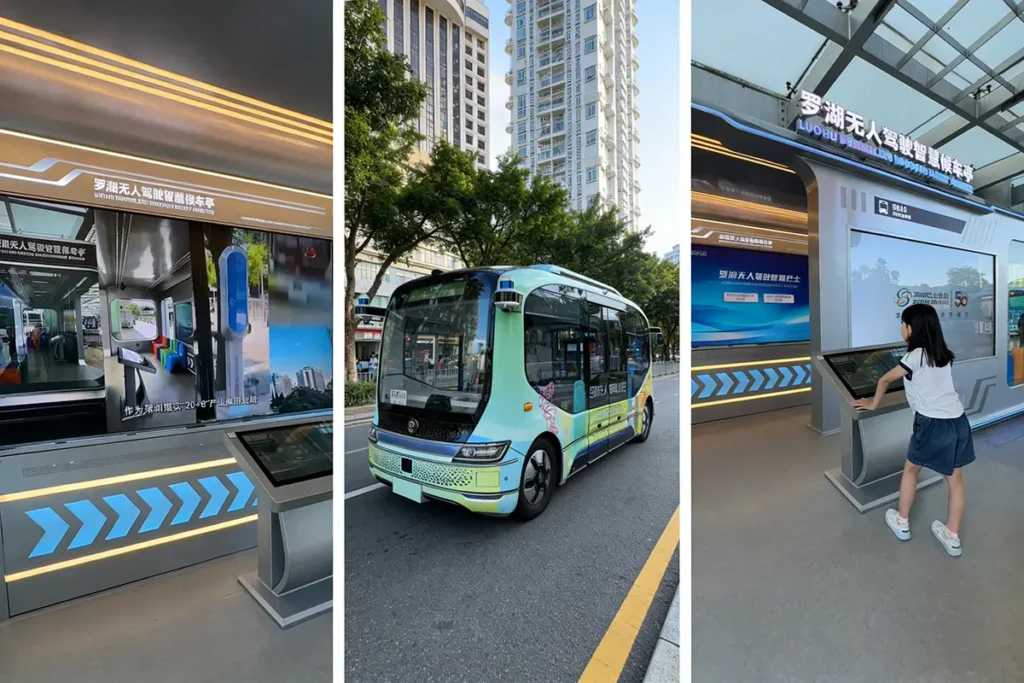
One of the best perks? Riding these driverless buses is completely free during their trial runs! That’s right—you can experience cutting-edge transport technology without spending a single cent. It’s China’s way of letting locals and visitors alike test the tech, give feedback, and fall in love with this innovative new mode of getting around.
What This Means for the Future of Public Transport
As I stepped off the bus, I couldn’t help but marvel: this is just the beginning. Driverless buses have the potential to revolutionize public transit—they can boost efficiency, reduce traffic congestion, cut emissions, and even free up human drivers for other roles in the transport industry.
Of course, some worry about bus drivers losing their jobs to automation, but new technology always brings new opportunities: these buses will create demand for tech specialists, maintenance technicians, and system operators to keep them running smoothly. And with the tech still in its testing phase, there’s plenty of time for the industry and workforce to adapt and evolve alongside it.
If you ever visit China, don’t miss the chance to ride a driverless bus. It’s not just a simple trip from point A to B—it’s a firsthand peek into how technology is reshaping our daily lives, one smooth ride at a time. And who knows? Before long, these futuristic buses might be gliding down the streets of your city too, changing how we all get around.